Vallenato did not arrive in Britain with a ribbon-cutting ceremony, an official launch or one famous concert. Its journey was quieter and far more personal.
It travelled through family gatherings, remembered lyrics, recorded music and conversations between Colombians building new lives far from home. An accordion melody could transform an ordinary London room into something familiar: a Sunday afternoon in Colombia, a family celebration or a journey along the Caribbean coast.
For that reason, the story of vallenato uk is not really about a single date. It is about the gradual creation of a community soundtrack.
Colombian migration to Britain grew in several stages during the final decades of the twentieth century. London neighbourhoods such as Elephant and Castle and Seven Sisters subsequently became important meeting points where migrants could find familiar food, businesses, services and social connections. Music naturally became part of those spaces.
Bola 8’s earlier article,The Story of Vallenato’s Arrival in the UK, provides a broader introduction to the genre’s journey. This new chapter looks more closely at what happened after the music crossed the Atlantic: how it helped people create a feeling of home inside an unfamiliar city.
From the Caribbean Coast to London’s Latin Quarter
Vallenato was born from encounters between cultures.
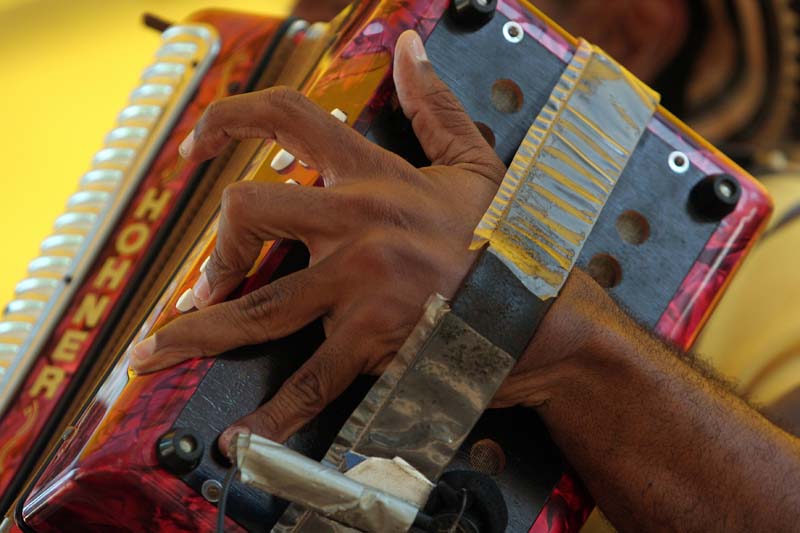
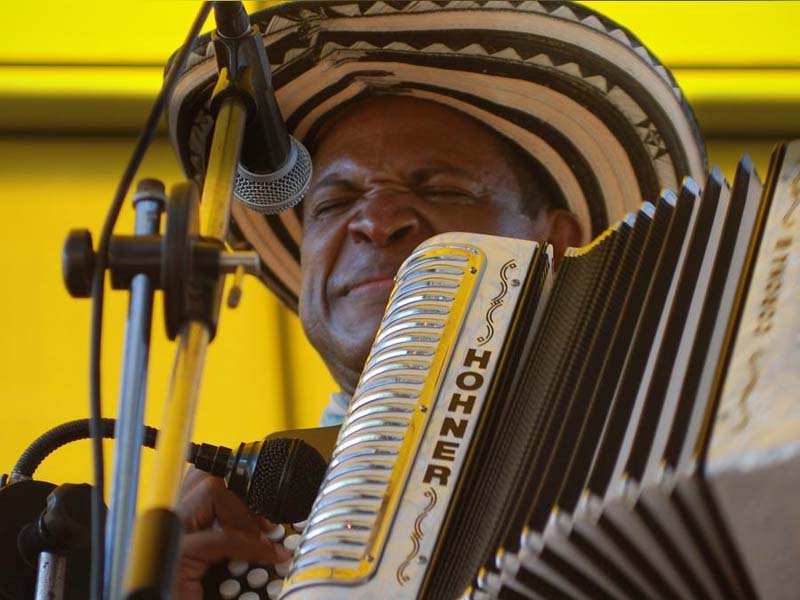
Traditional vallenato combines the songs and stories of northern Colombian cattle herders with African rhythmic traditions, Indigenous musical expressions, Spanish verse and European-derived instruments. Its best-known sound is built around the accordion, caja drum and guacharaca. UNESCO placed the traditional music of Colombia’s Greater Magdalena region on its List of Intangible Cultural Heritage in Need of Urgent Safeguarding in 2015.
Long before playlists and streaming platforms, vallenato songs worked almost like musical letters. Travelling performers shared stories about love, arguments, local characters, separation and ordinary life. The music was entertaining, but it also carried news and memory from one place to another.
That storytelling quality made vallenato particularly meaningful when Colombians began settling thousands of miles away.
In London, the song was no longer only about the village, the river or the person left behind. It also became part of the migrant experience: long shifts, shared accommodation, telephone calls home and weekends spent looking for familiar company.
For readers who want to understand the genre’s instruments, emotional language and classic sound,Vallenato Music: Discover the Magic of Colombia with Bola 8 offers a useful introduction to the musical foundations behind that connection.
How Vallenato UK Grew without an Official Starting Date
It would be convenient to name the first British vallenato night, the first accordionist or the first record played in a Colombian café. In reality, community culture rarely develops in such an orderly way.
The growth of Vallenato London is better understood as a collection of small moments.
Someone played a favourite song during a birthday. A restaurant or bar gave Colombians somewhere to meet. A DJ realised that the crowd knew every word of an accordion-led classic. Friends invited friends from other Latin American communities, and the music reached listeners who had never visited Colombia.
This is how diasporic culture usually takes root: privately at first, then socially and eventually in public venues.
Elephant and Castle became especially important because it developed into one of London’s most visible Colombian and Latin American commercial areas. Its businesses were not merely places to buy something. They helped migrants find community, information and recognisable pieces of everyday life.
Within that environment, Colombian music in London could move from the living room into cafés, celebrations, bars and club nights without losing its emotional meaning.
Why Vallenato Feels Different When You Are Far from Home
A vallenato song does not always need to be cheerful to bring people together.
Some songs celebrate romance. Others deal with betrayal, distance, pride or heartbreak. Even an upbeat accordion can carry lyrics that feel painfully personal. That contrast is one reason the genre produces such a strong reaction on a dance floor.
For Colombians abroad, recognition often happens within the first few notes. People begin singing before they have decided whether to dance. Someone points towards a friend because the lyrics describe their love life too accurately. Another person records a short video to send to relatives back home.
The song becomes more than entertainment. It becomes evidence that a part of home has survived the journey.
This also explains why people searching for Colombian folklore London may discover something more alive than a traditional performance presented behind glass. In a Latin venue, folklore is not treated as a museum object. It is sung loudly, danced imperfectly and shared with people from different generations.
Colombian Music in London Is No Longer Only for Colombians
The story did not end when the community found spaces to hear familiar music.
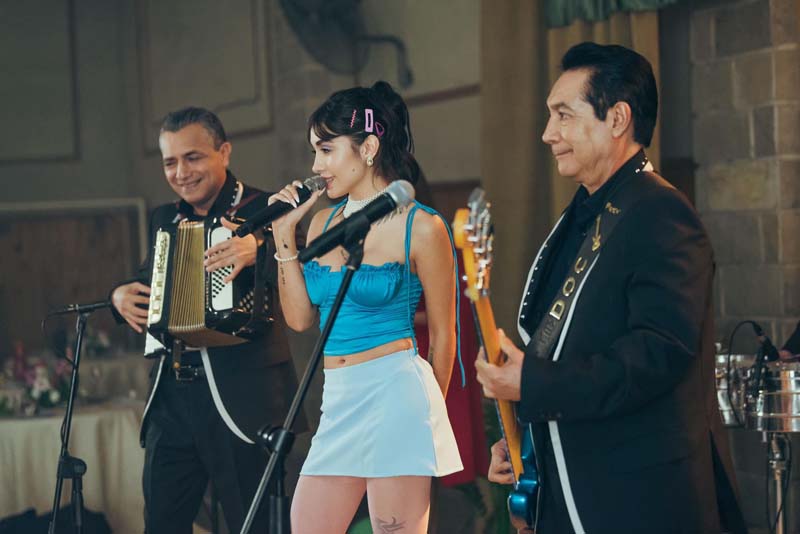
London’s Latin nightlife allowed vallenato to meet audiences from Ecuador, Venezuela, Mexico, Spain and many other places. British guests also encountered the genre through Colombian friends, mixed social groups and nights that moved between several Latin styles.
Not every new listener understands the lyrics immediately. They may first notice the accordion, the rhythm or the way the crowd reacts when a well-known chorus begins.
That is often enough.
Vallenato invites participation before it demands expertise. A newcomer can follow the movement of the room, listen to the story and gradually understand why one song makes people laugh while the next causes an entire group to sing with their arms around one another.
In this sense, Vallenato London is both Colombian and unmistakably London-made: rooted in a particular tradition, but experienced by a multicultural crowd.
Where to Listen to Authentic Vallenato Today
Authenticity does not mean recreating a Colombian village perfectly in central London. It means respecting what gives the music its identity.
Look for a night where vallenato is treated as more than a novelty between reggaeton tracks. The atmosphere should leave room for the accordion, the lyrics and the collective singalong that makes the genre special.
A strong vallenato experience usually includes:
● Familiar classics alongside newer interpretations.
● A crowd willing to sing as well as dance.
● DJs who understand the emotional pacing of the music.
● Space for Colombians and newcomers to enjoy the genre together.
● A setting where culture feels lived rather than staged.
At Bola 8 in Elephant and Castle, vallenato forms part of a wider Latin nightlife experience. The venue brings together Colombian sounds, other Latin American traditions and a crowd that does not need much encouragement to join a chorus.
Ranchenato Nights at Bola 8: A Nostalgic Journey
Ranchenato combines two traditions that understand emotional singing very well: Colombian vallenato and Mexican ranchera.
The result is a night where an accordion-led story of love or separation can be followed by a ranchera anthem that the room sings at full volume. It is not a historical fusion presented as academic folklore. It is a social one, created around the feelings both genres share.
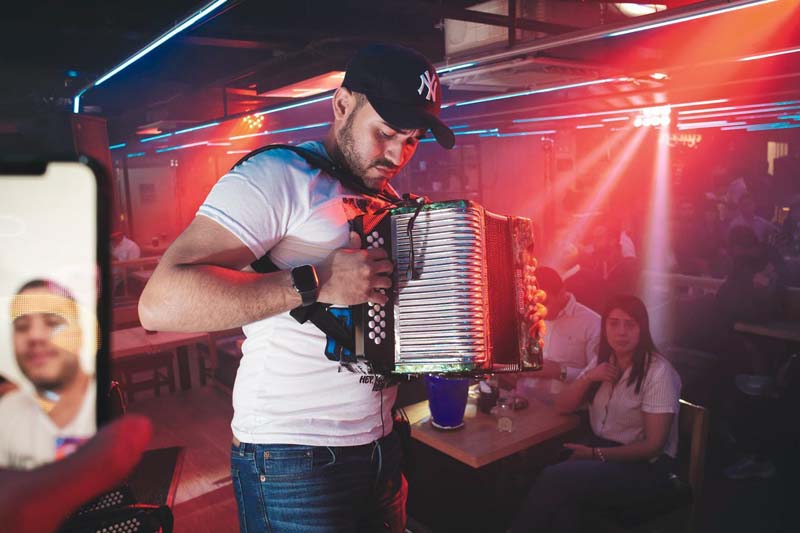
Ranchenato nights at Bola 8 have been designed around this meeting of musical cultures in Elephant and Castle. The format welcomes Colombians, Mexicans, other Latin American communities and Londoners discovering the songs for the first time.
The atmosphere and combination of genres are explored further inRanchera Music and Vallenato: The Rhythm of Nights at Bola 8, which explains why these seemingly different traditions work so naturally in the same room.
From Vallenato UK to the Wider Latin Nightlife Scene
Vallenato’s future in Britain will not depend solely on preserving old recordings exactly as they were heard decades ago.
Tradition remains alive when people continue using it. DJs can connect classic songs with newer Latin sounds. Younger audiences can discover artists through family playlists, social media or club nights. Non-Colombian listeners can join the culture without claiming ownership of it.
That evolution does not erase the genre’s roots. It demonstrates that the music still has something to say.
For guests comparing venues where Colombian and Latin American music are treated as a central part of the experience, the next Best Latin Club in London guide will explore the music, atmosphere, location and event formats that define a memorable Latin night in the capital.
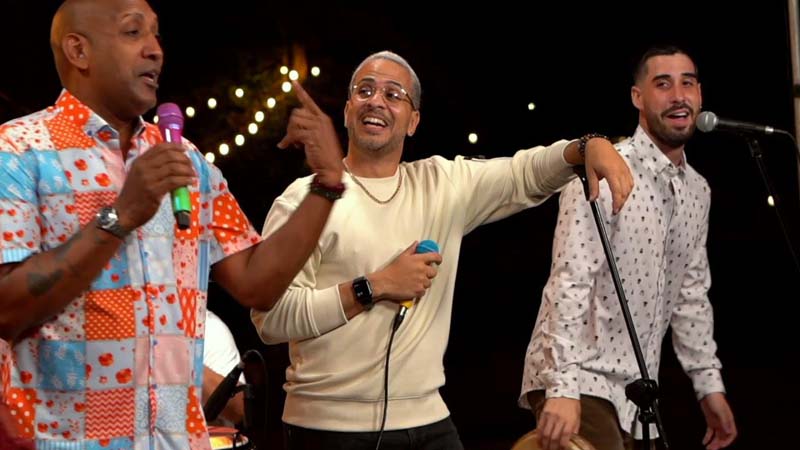
A Rhythm Does Not Need a Passport to Feel at Home
The history of vallenato uk is still being written each time an accordion begins and somebody in London recognises the song.
It lives in the person who has not visited Colombia for years, the second-generation listener learning the words from their parents and the British friend who joins the chorus without understanding every line.
Vallenato arrived gradually, but it stayed for a clear reason: it creates closeness.
At Bola 8, that story continues through nights where nostalgia is not quiet or solitary. It is shared on the dance floor, sung with friends and carried home long after the final song.
FAQs about Vallenato in the UK
When did vallenato first arrive in the United Kingdom?
There is no widely documented single arrival date. It is more accurate to understand its presence as part of the gradual growth of Colombian migration and community life in London during the final decades of the twentieth century.
What instruments are used in traditional vallenato?
The three characteristic instruments are the accordion, caja drum and guacharaca. Together, they provide the melody, percussion and distinctive rhythmic texture of traditional vallenato.
Is vallenato only popular with Colombians?
No. Although it is deeply connected to Colombian identity, vallenato is also enjoyed by other Latin American communities and by British listeners interested in the genre’s rhythm and storytelling.
Where can I hear Vallenato London events?
Latin venues and Colombian cultural events may include vallenato in their programming. Bola 8 presents Colombian music within its Latin nightlife programme in Elephant and Castle.
What is a Ranchenato night?
Ranchenato is a party format combining Colombian vallenato with Mexican ranchera. Both genres are known for emotional lyrics, memorable choruses and strong audience participation.
Do I need to know how to dance vallenato?
No. You can enjoy the music by listening, singing or following the movement of the crowd. Vallenato nights tend to be social and welcoming rather than focused on technical dance ability.
Why is vallenato important to Colombian culture?
Its songs preserve regional stories, language, humour and shared memory. The genre reflects Indigenous, African and European influences that formed part of the cultural history of northern Colombia.