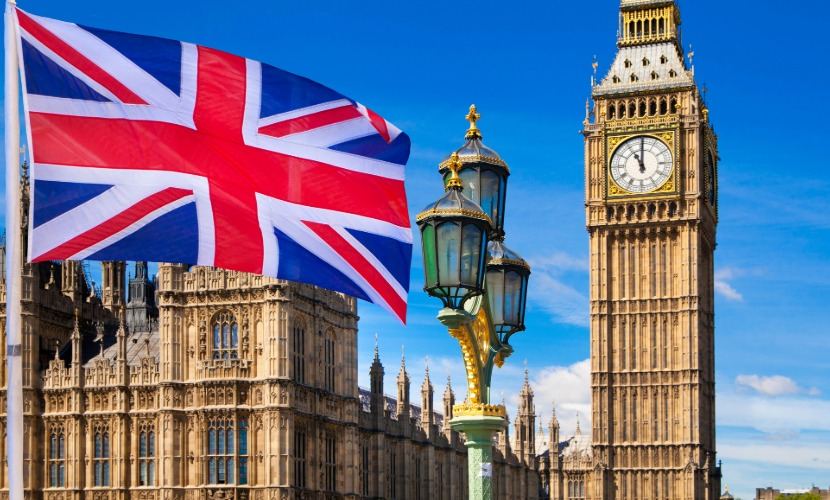
London is one of the most linguistically diverse cities in the world, and that diversity is now a business opportunity, not just a demographic fact. Companies that want to win international customers are realising that word-for-word translation isn’t enough — what actually converts is localisation: adapting websites, marketing materials and customer service to how a specific audience thinks, searches and communicates. Firms like the translation companies in the UK that specialise in this kind of adaptation are increasingly in demand precisely because London businesses are competing for the same international wallets.
Why International Customers Are Reshaping London’s Hospitality Economy
Tourism, migration and a growing population of long-term international residents mean that a large share of London’s hospitality and leisure spending no longer comes from native English speakers. For bars, restaurants and nightlife venues, this shift changes everything: menus, signage, staff training and even the tone of social media content need to speak to more than one cultural reference point at once.
Beyond Translation: Communicating Naturally with Different Audiences

The businesses that succeed aren’t the ones that simply run their copy through a translator. They invest in translation services in london that understand tone, humour and cultural context — because a literal translation can feel cold, or worse, unintentionally excluding. A Spanish-speaking customer doesn’t want a robotic menu translation; they want to feel like the venue was built with them in mind.
Case Study — How Elephant & Castle’s Nightlife Wins Over International Visitors
Elephant & Castle, in South London, is a useful example of this principle in action. The area has one of the highest concentrations of Latin American residents and businesses in the UK, and its nightlife venues have had to learn how to serve two very different audiences at once: a Spanish-speaking community looking for authenticity, and an English-speaking, international crowd curious to experience it.
From Sport Bar to Latin Club: Two Audiences, One Space

Bola 8 and its daytime concept, The Pool Lounge, illustrate this dual approach well. By day, The Pool Lounge operates as a bilingual sports bar built around American and French pool tables — a low-friction, culturally neutral space where international professionals, after-work groups and curious locals feel equally comfortable. By night, the same venue transforms into Elephant & Castle’s Latin nightlife scene, with staff, signage and social content switching fluidly between English and Spanish depending on who’s in the room.
This isn’t accidental. It’s a deliberate localisation strategy: the same physical space, the same brand, but two distinct communication approaches depending on the audience and the time of day. It’s the nightlife equivalent of what good website translation does for an e-commerce business — adapting the experience to the person reading it, rather than forcing everyone through the same version.
Practical Steps for Multilingual, Locally-Adapted Customer Service
London businesses looking to replicate this approach should focus on a few concrete steps:
- Audit your customer touchpoints. Website, WhatsApp, social media and in-person signage should all be reviewed for language gaps, not just the homepage.
- Localise, don’t just translate. Idioms, humour and calls to action rarely survive a literal translation — work with people who understand both languages culturally, not just linguistically.
- Train frontline staff. In hospitality, the human interaction matters more than the copy. Bilingual staff are often the single biggest driver of repeat visits from international customers.
- Use the right channel for each audience. International visitors researching options online behave differently from long-term residents who prefer WhatsApp or word of mouth — plan content accordingly.
Conclusion
International customers aren’t a niche segment for London businesses anymore — for some sectors, especially hospitality and nightlife, they’re a core part of the customer base. The brands winning that audience are the ones treating language and culture as a product decision, not an afterthought. Elephant & Castle’s evolving nightlife scene, with venues like Bola 8 bridging two languages and two crowds under one roof, shows what that looks like in practice — and it’s a model other London businesses would do well to study.