
There is a particular kind of conversation you hear on a night out in South London.
“Are you coming or qué?”
“Bro, that song is from my mum’s era.”
“No, no… this one is my tune.”
English becomes Spanish. Spanish slips back into English. Someone knows every word of an old salsa track but cannot explain the lyrics. Someone else grew up eating arepas on Sundays yet has never lived in Colombia or Venezuela. A friend who barely speaks Spanish somehow knows exactly when the reggaeton chorus drops.
This is part of the new identity of latinos in london.
It is not entirely British. It is not a replica of Latin America either. It exists somewhere between both worlds — and on a night out, that mixture becomes particularly visible.

Latinos in London Are Creating Their Own Version of Latin Culture
For a long time, conversations about Latin identity abroad were dominated by nostalgia.
The music people missed. The food they remembered. The neighbourhood they left behind. The traditions they wanted to preserve.
That story still matters, particularly for first-generation migrants. But a younger generation is writing a different one.
Many second generation Latinos London residents do not experience Latin America as somewhere they “left”. It may be where their parents or grandparents were born, somewhere they visited during school holidays or a place they know through family stories, music, food, football and endless WhatsApp voice notes.
Their relationship with Latin identity is therefore different.
It is less about returning to a past and more about deciding what being Latin means in London today.
You can support Arsenal and Colombia.
You can complain about the Northern line in English and argue with your mum in Spanish.
You can grow up listening to grime, drill and UK garage, then suddenly become emotional when a salsa song your dad used to play comes on.
None of those things cancels out the others.
Beyond Nostalgia: Urban Latin Culture
Modern Latin culture in London is increasingly shaped by the city around it.
That means reggaeton sitting comfortably beside UK urban music. Salsa alongside Afrobeats. Colombian slang mixing with south London expressions. Caribbean rhythms meeting fashion influenced by London streetwear.
The result is not a diluted version of Latin heritage UK.
It is a new expression of it.
Identity changes when people move, and it changes again when their children grow up somewhere else. Trying to freeze culture exactly as it existed in another country or another decade misses what makes diaspora communities interesting in the first place.
Culture travels.
Then it adapts.
For younger Londoners with Latin roots, that adaptation often happens through music, clothes, nightlife, friendships and language rather than formal traditions.
A Saturday night can sometimes say more about identity than a cultural lecture ever could.
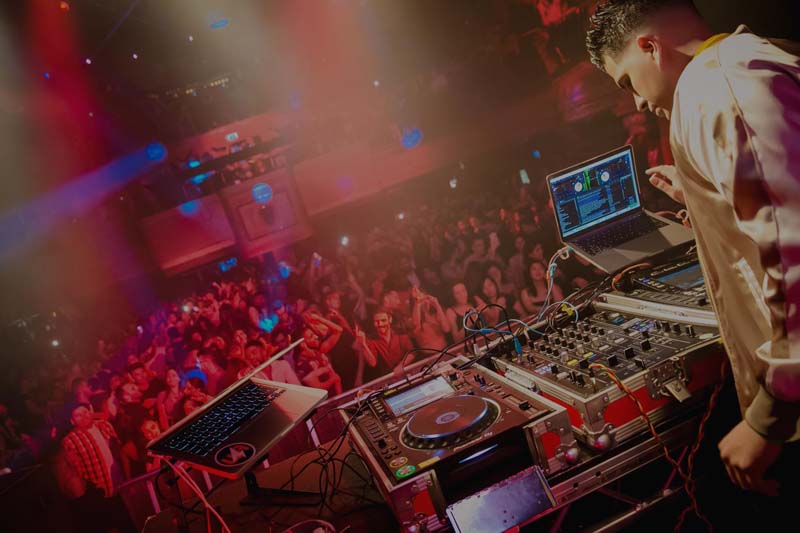
Spanglish Is More Than Mixing Two Languages
Spanglish is occasionally treated as “bad Spanish” or imperfect English.
For many bilingual and bicultural people, it is neither.
It is simply how conversations happen.
Certain emotions sound better in one language. Jokes work differently in another. There are expressions your parents use that do not have a satisfying English equivalent, and British phrases that would sound ridiculous if translated literally into Spanish.
Switching between them becomes instinctive.
For second generation Latinos London, language can also come with pressure. Some speak fluent Spanish. Others understand everything but answer in English. Some only know enough to survive family gatherings.
That does not make one person more authentically Latin than another.
Heritage is not a vocabulary test.
You should not need perfect Spanish to dance to music you grew up hearing, enjoy Latin nightlife or feel connected to the culture that shaped your family.
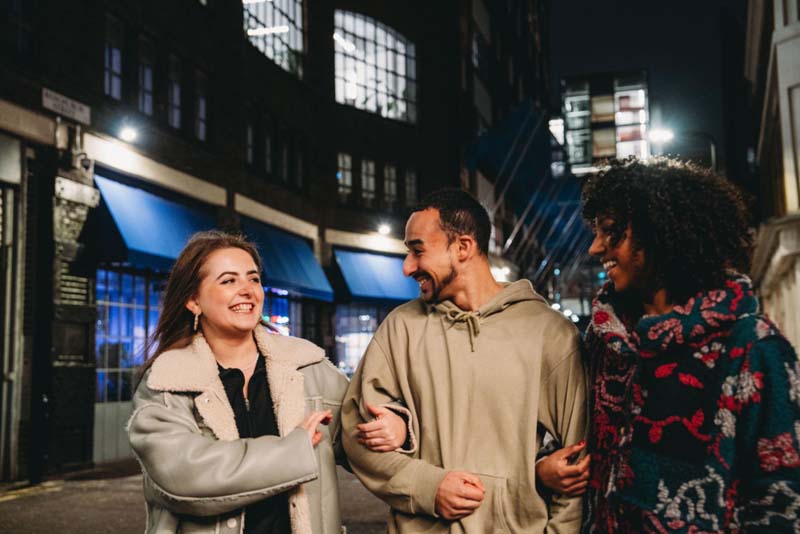
What You Wear Can Say the Same Thing
Hybrid identity is visible before anyone even starts talking.
London’s Latin crowd does not dress according to one formula. You will see streetwear, fitted evening looks, trainers, heels, vintage pieces, football shirts, designer accessories and influences travelling backwards and forwards across continents.
The interesting part is often the attitude rather than the individual clothes.
Style becomes another way of saying: this is where I come from, this is where I live, and I do not have to choose between the two.
We explore that visual side of identity in more detail inHow London’s Latin Crowd Dresses: Identity, Attitude and Urban Style After Dark, where fashion becomes part of the wider story of how Latin London presents itself after dark.

Why Cultural Hubs SE17 Matter to a New Generation
Identity needs physical places.
Social media can introduce people. Spotify can preserve a playlist. TikTok can make an old Latin song unexpectedly viral again.
But none of those things completely replaces being in a room with other people who understand the references.
That is why cultural hubs SE17 and other spaces around Elephant & Castle have a significance that goes beyond nightlife.
They give communities somewhere to exist in real life.
For someone whose Latin identity was mostly experienced at home growing up, walking into a space filled with familiar music, accents and faces can feel surprisingly powerful.
For others, it is less emotional and much simpler: good music, friends and somewhere they feel comfortable.
Both experiences are valid.
There Is No Single Way to Be Latin in Britain
One of the least useful questions you can ask somebody from a multicultural background is whether they feel “more British or more Latin”.
Why should they have to choose?
Identity rarely works in percentages.
A person can feel completely London-born while maintaining an intense relationship with their Colombian, Ecuadorian, Dominican, Peruvian or Venezuelan heritage.
Another person may only begin exploring that heritage in their twenties.
That reconnection can happen through learning Spanish, travelling, food, family history or dancing.
Sometimes it begins with nightlife.
For a broader look at how community, migration and belonging shape the experience ofLatinos in London: challenges and opportunities of living, growing, and celebrating our identity, it helps to see nightlife as just one part of a much larger cultural story.

Bola 8: A Bridge Between Generations
At Bola 8, that overlap between generations can become part of the atmosphere.
A salsa track can mean childhood memories to one person and a completely new discovery to the friend standing beside them. Bachata may feel traditional to one generation and contemporary to another. Then reggaeton comes on and suddenly everyone understands the assignment.
That mixture matters.
Bola 8’s Latin identity in Elephant & Castle is not built around asking people to prove how Latin they are. Music, dancing and socialising create a much easier point of entry.
Someone born in Bogotá can be there.
Someone born in Brixton to Colombian parents can be there.
Someone with no Latin heritage who simply loves the culture can be there too.
The dance floor does not need a family tree.
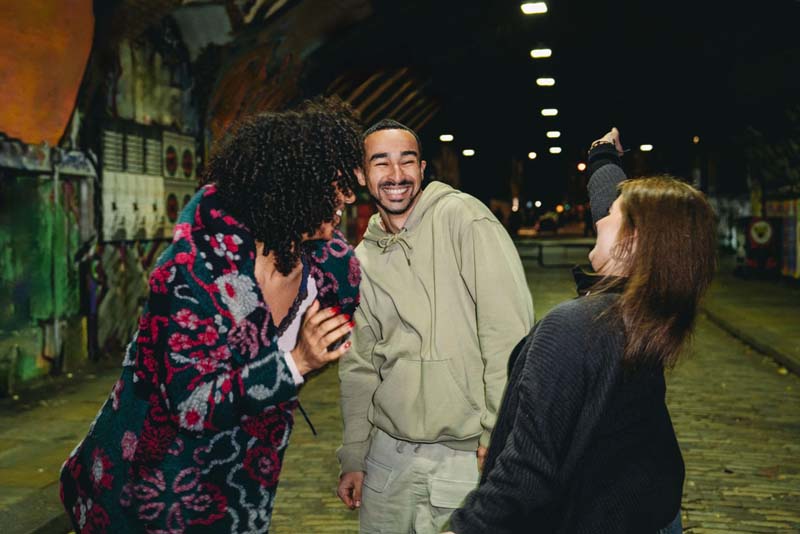
The Future of Latin Heritage UK Is Already Happening
Heritage is sometimes spoken about as something that needs to be protected behind glass.
But living culture does not work that way.
It moves when people move. It adopts new words, new sounds and new habits. Younger generations challenge parts of it, rediscover other parts and occasionally bring back songs their parents thought had disappeared for good.
The emerging identity of latinos in london is interesting precisely because it refuses to stay in one category.
It can sound British and Latin within the same sentence.
It can dance salsa and reggaeton on the same night.
It can respect where previous generations came from without pretending that growing up in London had no effect.
Perhaps that is what a modern Latin identity in South London actually looks like.
Not half of one culture and half of another.
Something whole, built from both.

FAQs About Latin Identity in London
Is there a large Latin community in South London?
South London has long been an important meeting point for Latin American communities, with Elephant & Castle particularly associated with Latin businesses, social spaces and nightlife.
What does second-generation Latino mean in the UK?
The term generally refers to someone born or raised in the UK whose parents or family come from Latin America. Their cultural identity may combine British experiences with Latin family traditions, language, music and heritage.
Do I need to speak Spanish to feel part of London’s Latin community?
No. Language experiences vary considerably among second-generation and multicultural families. Some people speak fluent Spanish, some understand more than they speak, and others reconnect with the language later in life.
Why is nightlife important to Latin identity?
Nightlife creates an informal space where music, dance, language, fashion and community come together. For younger people especially, it can provide a natural way to explore cultural identity without the formality of a traditional cultural event.
Why is Elephant & Castle associated with Latin culture?
The area has become an important meeting point for London’s Latin community and continues to be associated with Latin businesses, music, food and social life. Today, venues and community spaces around SE17 also help younger generations experience that identity in their own way.
Is Bola 8 only for Latin American customers?
No. Bola 8’s atmosphere brings together Latin and multicultural audiences. You can enjoy the music, dancing and nightlife whether Latin culture is part of your family heritage or something you simply appreciate and want to experience.